Full sustainability policy
At Twisted Eye, we believe that sustainability isn’t just a trend, it’s a necessity, and it should come with integrity and transparency. Unfortunately, the term “greenwashing” has crept into the conversation, where companies make misleading claims about their environmental efforts just to sell more. We’re committed to doing better. Our mission is to minimise our environmental footprint while maximizing value.
WHAT WE DO NOW
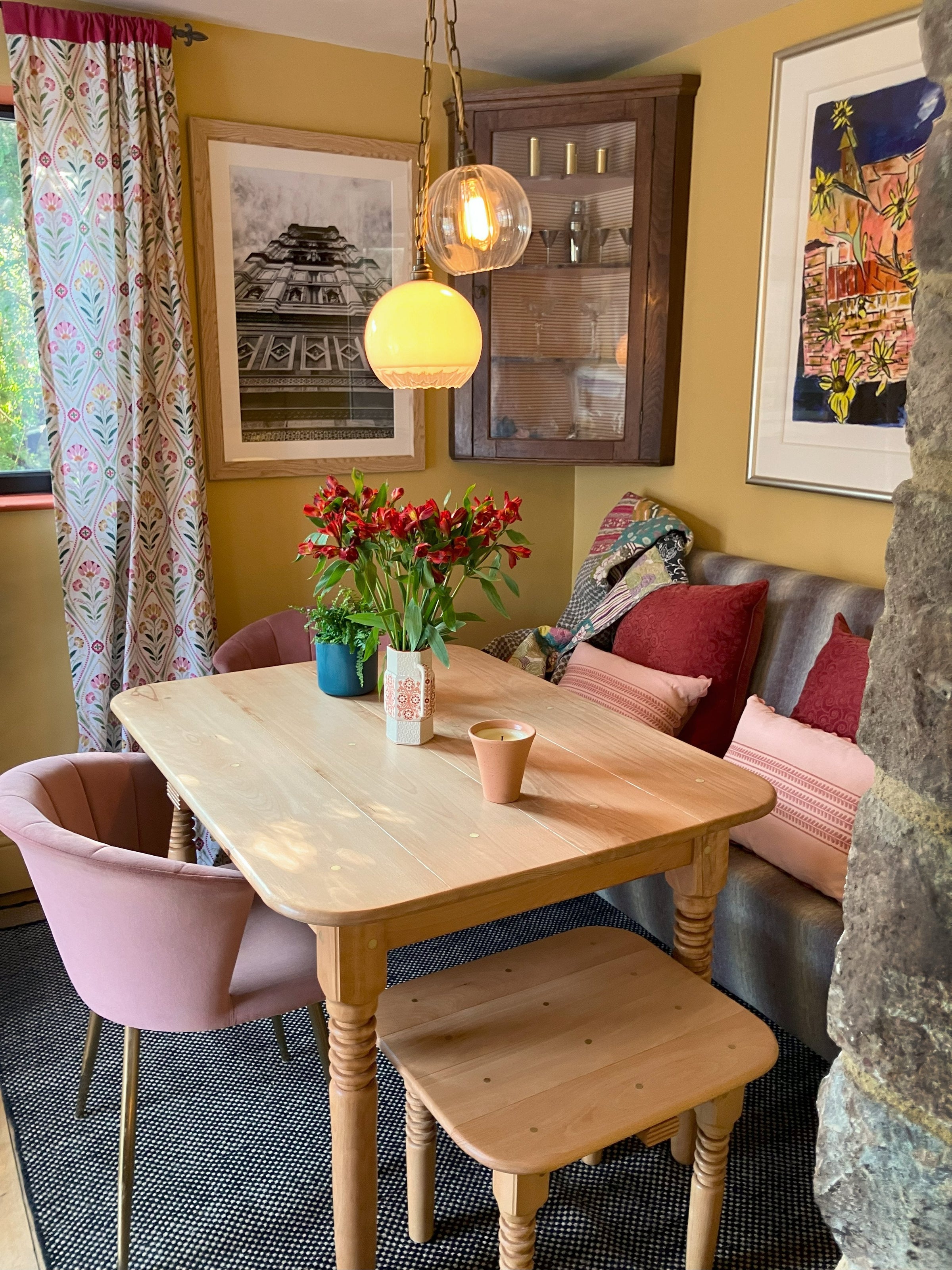
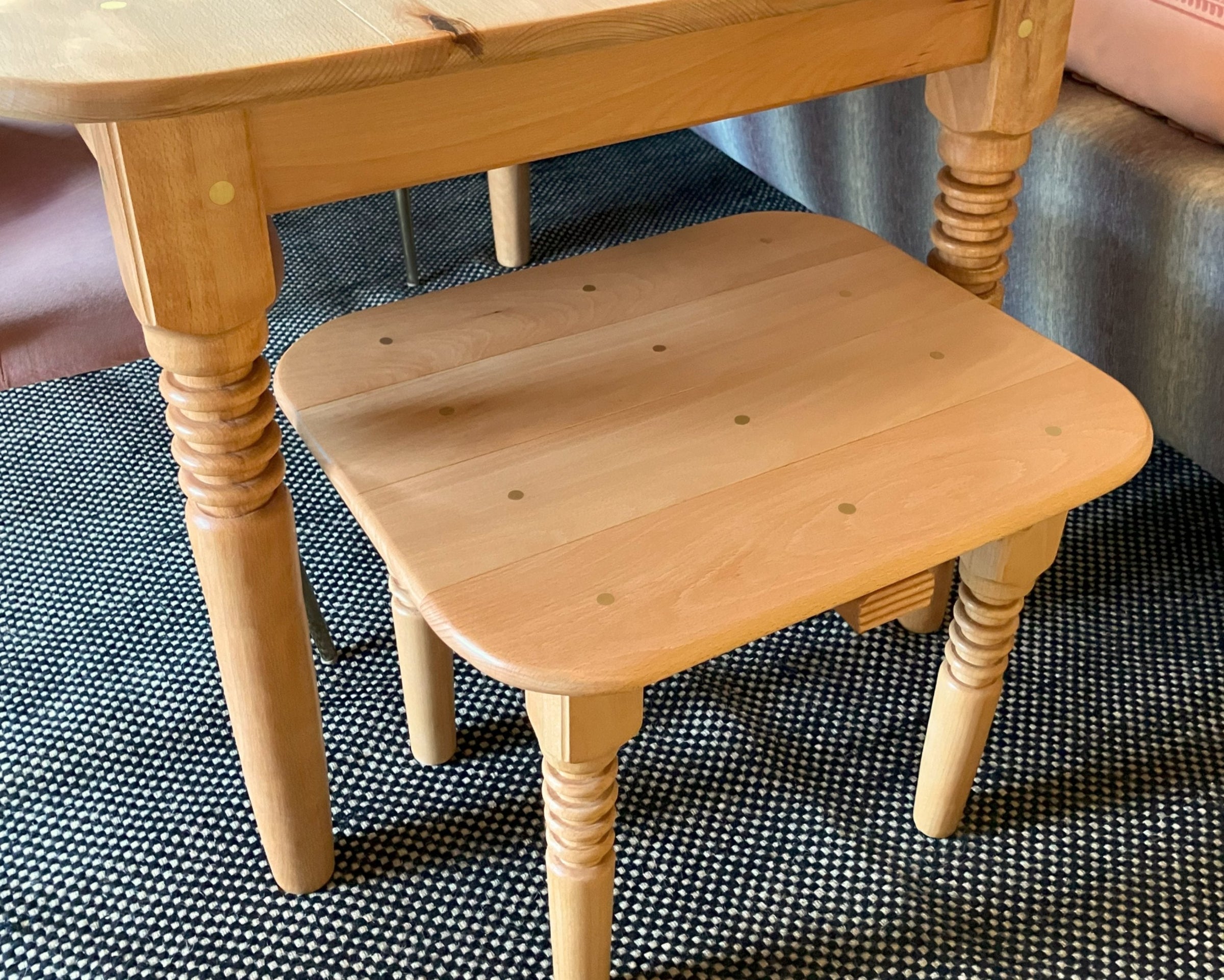
1. Design – Built to Last: We design our furniture to last. We want our pieces to be the vintage and antiques of the future. From the start, we’ve focused on creating designs that are timeless and not trendy and make them so they stand the test of time. Even in 100 years, every component can be reused or repurposed, nothing has to end up in a landfill.
2. Sustainable Sourcing: We prioritise sustainable sourcing. We exclusively use FSC-certified (Forest Stewardship Council) and PEFC-certified (Programme for the Endorsement of Forest Certification) wood. These certifications are global standards for ensuring that the wood we use comes from responsibly managed forests that conserve biodiversity, protect the environment, and support local communities.
We're committed to working with local British suppliers as much as possible. This reduces the carbon footprint of transportation (less distance traveled means fewer emissions) and supports local economies.
3. Manufacturing with a Conscience: We will always use water-based finishes where possible on our furniture, which are significantly less harmful to the environment than traditional solvent-based options. These finishes reduce VOC emissions (volatile organic compounds), which improves air quality inside your home. Not only is this better for the environment, but it’s healthier for you and your family.
4. Waste Not, Want Not: We take pride in our waste reduction efforts, ensuring that we repurpose as much as possible. Leftover wood isn’t thrown away, it’s either turned into new products or recycled. Wood shavings? They’re used as animal bedding. We partner with a waste management company that recycles at least 80% of our workshop waste. This allows us to minimise our environmental footprint while contributing to a circular economy.
5. Eco-Friendly Packaging: We don’t believe in excess packaging. So, we make sure that your Twisted Eye piece arrives beautifully packed using reusableand recyclable materials. The goal is to protect your furniture while ensuring it’s not wrapped in unnecessary layers of plastic or Styrofoam that will end up in landfill as there is nowhere else for it to go.
6. Delivery: We’re mindful of how we get our products to you. To minimise our carbon footprint, we take care to optimize delivery routes for maximum efficiency, reducing unnecessary emissions. We also strive to offer greener delivery options in the future, and are researching how we can partner with companies that use electric vehicles for transporting our furniture. Our goal is to make the delivery process as eco-friendly as possible.
WHAT WE AIM TO DO IN 2026
1. Expanding Sustainable Sourcing:
We’ll be expanding our sustainable sourcing even further. We’re excited to explore alternative sustainable materials such as recycled textiles, upcycled wood and reclaimed metals to make sure we’re offering even more eco-friendly options for our customers. We also plan to work with even more local suppliers, reducing our furniture miles and keeping our carbon footprint as low as possible.
2. Education and Transparency:
As a relatively new company, we know we have a lot to learn and we want to bring you along with us on that journey. In the next year, we plan to increase our educational efforts around sustainability. We want you to know exactly where your furniture comes from, how it’s made, and what impact it has on the environment.
That’s why we’re working on creating resources to help you understand what makes something sustainable, why certifications like FSC and PEFC matter, and how you can make more conscious choices in your own life. Honest, transparent information that helps you make informed decisions about your home and the products you bring into it.
3. Green Certifications:
We’re aiming to get some official green certifications. Why? Because we want to back up our sustainability claims with third-party validation. Whether it’s certifications for carbon emissions, materials, or waste, we want to make sure our practices are on point and that you can trust we’re doing things the right way. It’s all about adding credibility to our mission and showing that we’re truly committed.
4. Fine-Tuning Waste Reduction:
In the next 12 months, we want to take it up a notch by incorporating even more waste-saving technologies into our production process. We’re exploring new ways to minimise waste at every step, from designing more efficient processes to rethinking how we handle scrap materials.
WHAT WE'RE PLANNING FOR THE FUTURE
1. Carbon Offsetting:
We plan to invest in carbon offsetting projects, such as reforestation and renewable energy initiatives. These projects will help balance out the emissions from things we can’t fully control, like transportation.
2. Renewable Energy:
Down the line, we’re aiming to power our production facilities with renewable energy sources like solar or wind power. We’ve already begun researching clean energy options.
3. Greener Delivery Options:
Reducing emissions from delivery is a top priority for us and we plan to use electric vehicles for transporting our furniture. Electric vehicles and optimised delivery routes will help cut down on carbon emissions and make our delivery process as green as possible.
4. Take-Back Program:
One of our big future goals is to launch a take-back program. When your Twisted Eye piece reaches the end of its life, we want to help you repurpose or recycle it. We’ll find new homes for old pieces, whether that means upcycling or recycling materials, ensuring your furniture has a second (or third) life. This program will help close the loop on furniture waste, ensuring that our products contribute to the circular economy, not to a landfill.